A small styling exercise for making clothing and accessory choices feel connected.
Pick an anchor before browsing everything
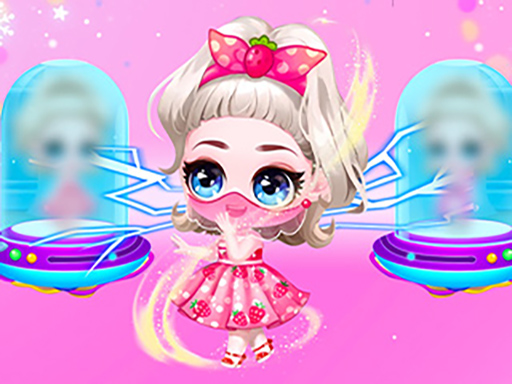
Sweet Dolls Fashion Princess is described as a dress-up and decorating game with character customization, clothing and accessories. The preserved description does not enumerate the wardrobe or explain every decorating feature. Begin with the choices the game actually offers. Rather than treating each menu as a separate collection to exhaust, choose one visible item or color as the anchor for an arrangement.
An anchor gives later decisions something to relate to. If a garment has a strong pattern, another piece can echo one color from it. If a simple silhouette is the focus, a small accessory may be enough to give it character. These are optional styling ideas. They do not imply that the game has a hidden fashion score or that any particular combination is correct.
Compare a change in context
When considering an accessory, look at the whole character rather than only its menu thumbnail. Size, position and contrast can change how an item reads once it is part of the outfit. Ask whether it reinforces your anchor or creates a second focal point. Either result can be intentional, but noticing the difference makes the selection more deliberate.
Try one variation at a time when the interface allows it. Keep the main garment and change a supporting detail, then compare the overall impression. Replacing every element makes it harder to see which choice produced the difference you liked. Mouse/Touch is the supplied control label; use the actual interface to determine selection and confirmation behavior. Do not rely on an undo, save or export feature unless the game visibly provides it.
Let decoration support the character
If the game offers scene decoration alongside dressing, consider how the background relates to the character. A setting can echo a color without repeating it everywhere. It can also provide contrast so that an outfit remains easy to see. The useful question is whether the whole arrangement has a clear focus, rather than whether every available space contains an object.
For another version, keep one decision from the first and change the main direction. You might preserve a color while trying a different clothing combination, or retain the outfit while exploring another available scene. This creates a comparison you can describe instead of an unrelated restart. The description's audience wording does not restrict who can enjoy a styling exercise. No wardrobe inventory, reward system or completed look is claimed here; the article offers a way to make purposeful choices within whatever the current game actually presents.