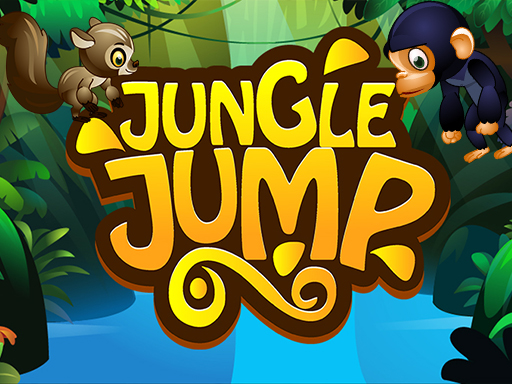
A crossing-first way to read Jungle Jump, with a simple distinction between a safe landing and an optional collectible.
Read the crossing before the reward
Jungle Jump describes a river crossing in which animals bounce toward safety, with collectibles including lives and fruit points. That creates a useful reading order: first locate the next safe place, then consider what can be collected along the way. A bright object can attract attention without answering the more urgent question of where the next bounce will finish.
Before attempting a route, trace one short section with your eyes. Identify the departure point, the intended landing area and the space beyond it. This is a suggested observation method, rather than a claim about a particular level layout. It keeps the goal of crossing separate from the extra task of collecting everything that happens to be visible.
Give each attempt one question
The preserved controls say Mouse/Touch, but do not explain the exact relationship between movement and a bounce. Use an early attempt to discover that relationship. Try one deliberate input and watch its result before adding another. If the game provides instructions or a demonstration, read those first; a broad control label cannot replace the instructions inside the game.
Once the basic response is clear, choose a narrow question for the next attempt. Perhaps you want to judge the timing of a landing, or learn whether a collectible lies on a route you already understand. Changing several decisions together makes a failed crossing difficult to interpret. One small adjustment gives you something specific to compare when you retry.
Let a missed item remain optional
The listing names lives and fruit points without explaining their values, limits or exact effects. Treat those details as something to read from the actual game interface. Do not assume that every fruit is worth a dangerous detour, or that an extra life can compensate for any mistake. A collectible has practical value only when you understand both its effect and the cost of reaching it.
A useful personal challenge is to complete a short stretch cleanly before trying a more ambitious collection route. Notice which decisions helped the animal reach the next safe place. If an attempt ends, describe the last uncertain landing rather than simply deciding you needed faster reactions. That turns another crossing into a focused experiment with the controls, without making an unsupported promise about scores or perfect routes.